1. Arrival day – Land in HCMC airport
2. Pick up at airport
3. Transfer to hotel
4. Early check in
5. Relax
6. Have lunch at 1 pm
7. City tour Saigon, visit:
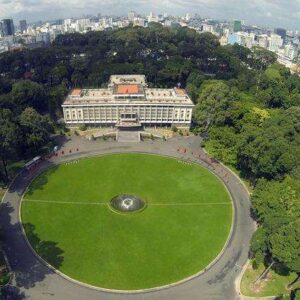
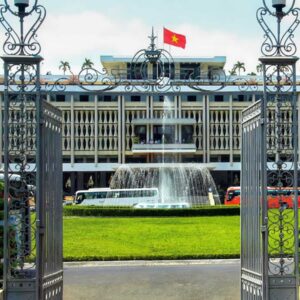
8. The Independence palace: The Independence Palace is a historic symbol of the country’s past. Built in the 1960s, it served as the presidential palace of South Vietnam during the Vietnam War. Today, it operates as a museum, offering insights into Vietnam’s struggle for independence. Explore its preserved rooms, including the president’s office and communication facilities. Guided tours are available to provide historical context. Open daily, with morning and afternoon sessions, it’s a must-visit for understanding Vietnam’s journey to reunification. Check for ticket prices and current visiting hours before planning your trip.
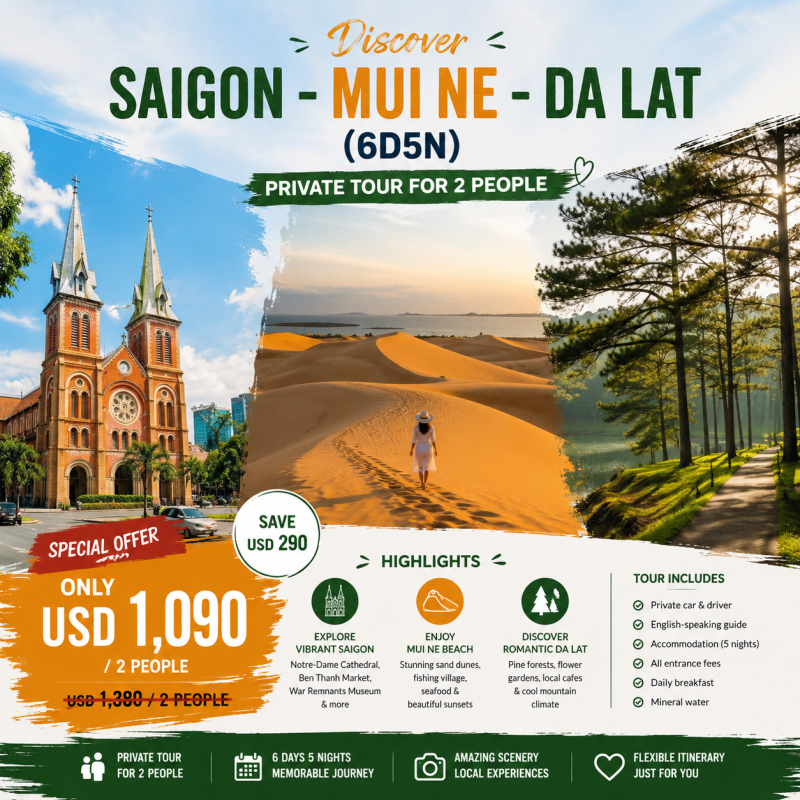
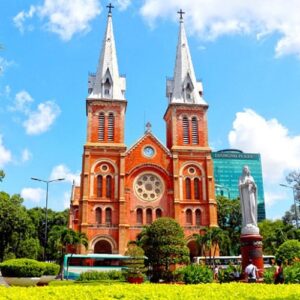
9. The Cathedral church (only outside due to restoration): is an iconic symbol of French colonial architecture in Vietnam. Built in the late 19th century, it features twin bell towers and stained-glass windows. Visitors can appreciate its neo-Romanesque design and serene interior, which includes religious statues and ornate decorations. Ensure to check opening hours for public visits, as it remains an active place of worship. Nearby cafes and shops offer a chance to relax and reflect on its historical significance in modern-day Saigon.
10. The Post office: is a notable architectural landmark, constructed during the French colonial period in the late 19th century. Located near Notre Dame Cathedral, it boasts a stunning façade with Gothic and Renaissance influences. Visitors can admire its grand interior, including arched ceilings, marble floors, and vintage telephone booths. Don’t miss the opportunity to send postcards or buy souvenirs at the on-site gift shop. Open daily, it’s a charming stop for history buffs and architecture enthusiasts alike.
11. Explore the night life at Nguyen Hue Street nearby (5’-10’ walk from hotel)
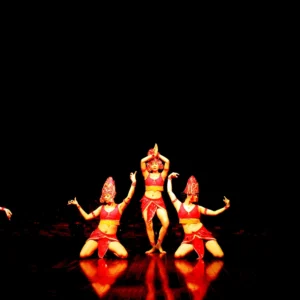
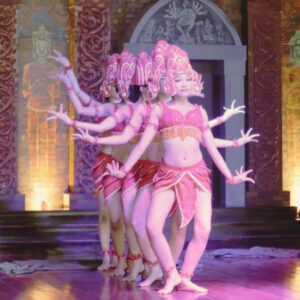
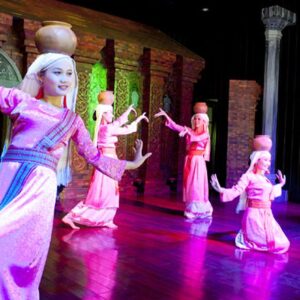
12. Watch AO show at the Opera house (very good)
1. Full day tour
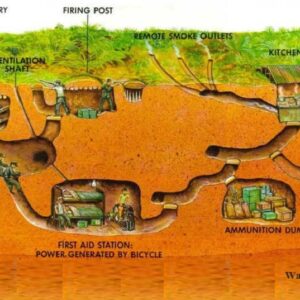
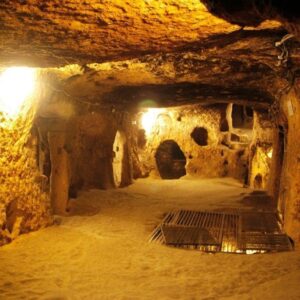
2. visit Cu Chi tunnel & Cao Dai temple in Tay Ninh: The Cu Chi Tunnels are an extensive underground network used by Viet Cong soldiers during the Vietnam War. Visitors can explore sections of the tunnels, which served as living quarters, supply routes, and hospitals. Learn about the resilience and ingenuity of the soldiers who constructed them and gain insights into the harsh realities of war. The tunnels offer a poignant reminder of Vietnam’s history and the sacrifices made during the conflict. Guided tours provide in-depth information and demonstrations of trapdoors and camouflage techniques used by the guerrilla fighters.
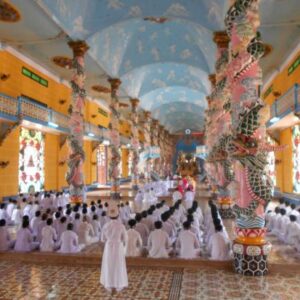
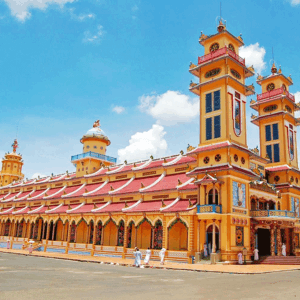
Cao Dai temple in Tay Ninh: is the spiritual center of the Cao Dai religion, a syncretic faith that blends elements of Buddhism, Christianity, Taoism, Confucianism, and Islam. Built in the early 20th century, its vibrant architecture features colorful motifs and ornate columns symbolizing the unity of all religions. Visitors can witness colorful ceremonies where worshippers, dressed in white, pray and meditate. The temple’s serene atmosphere and intricate artwork offer a unique cultural experience, showcasing Vietnam’s religious diversity and the teachings of Cao Dai’s spiritual leaders. Guided tours provide deeper insights into the beliefs and practices of this fascinating religious movement.
3. Start at 9 am
4. Back to hotel at 5:30 (6pm)
5. Have dinner at 6 pm
6. Relax time
1. Check out
2. Mekong delta tour – full day
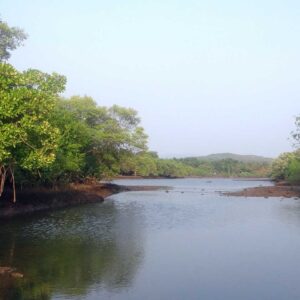
3. Visit Mangrove forest: Venture into Vietnam’s mangrove forests for a unique ecological experience. These vital coastal ecosystems offer rich biodiversity and environmental benefits. Explore boardwalk trails winding through dense mangrove trees, home to diverse wildlife like birds, crabs, and fish. Learn about mangrove conservation efforts and their importance in protecting coastlines and marine life. Guided tours are available to enhance your understanding of this delicate ecosystem. Wear appropriate footwear and bring insect repellent. Respect nature by following designated paths and leaving no trace. Enjoy the tranquility and natural beauty of Vietnam’s mangrove forests.
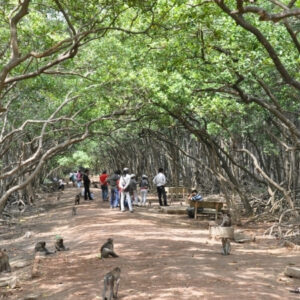
4. Monkey island: is a popular destination known for its resident macaques. Take a boat trip to the island and observe these playful creatures in their natural habitat. Enjoy stunning coastal views and sandy beaches perfect for relaxing. Visitors can interact with monkeys under supervision and capture memorable photos. Remember to respect wildlife and follow safety guidelines provided by tour operators. Pack essentials like sunscreen and water for a comfortable visit. Experience the charm of Monkey Island’s unique ecosystem and enjoy a day immersed in nature.
5. Start at 9 am
6. Finish at 5:30 pm (or 6 pm)
7. Transfer to airport for flying to Da Nang
8. Have dinner at airport by yourself
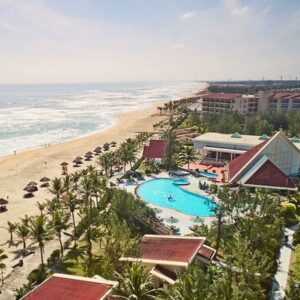
9. Check in Sandy beach resort
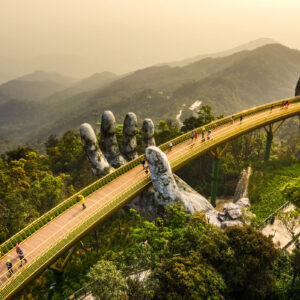
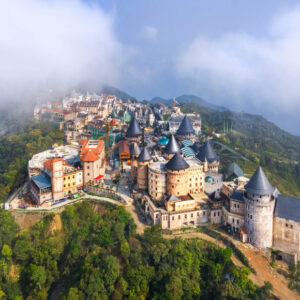
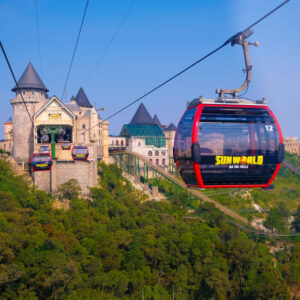
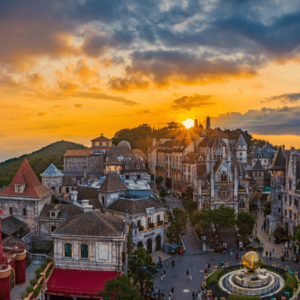
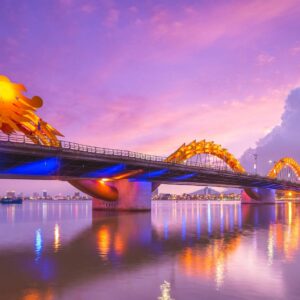
1. Da Nang full day tour
2. Start at 9am
3. Visit Bana hills: is a hill station and resort complex known for its French colonial architecture and panoramic views. Accessible by the Ba Na Cable Car, the longest non-stop single-track cable car in the world, it offers breathtaking vistas of lush forests and the coast below. Visitors can explore attractions such as the Linh Ung Pagoda, French Village, and Fantasy Park. Ba Na Hills is also famous for its cool climate and misty atmosphere, providing a refreshing escape from the coastal heat. It’s a popular destination for both tourists and locals alike, offering a blend of cultural experiences and natural beauty in Vietnam’s highlands.
4. Buffet lunch
5. Back to resort at around 5/ 5:30pm
6. Have Seafood dinner at 6 pm
1. Full day tour
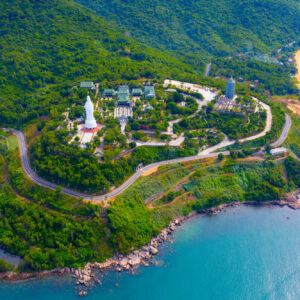
2. Visit Linh Ung pagoda: is a prominent Buddhist temple known for its serene setting and towering statue of the Goddess of Mercy, Guanyin. Perched atop Son Tra Mountain (Monkey Mountain), it offers panoramic views of the city and coastline. The pagoda’s architecture blends traditional Vietnamese and modern styles, with intricate artwork and peaceful courtyards for meditation. Visitors can learn about Buddhist teachings and enjoy the tranquil ambiance surrounded by lush greenery. Linh Ung Pagoda is a cultural and spiritual landmark, inviting both locals and tourists to experience its beauty and spiritual significance.
3. Local market
4. The Pink church
5. Have lunch with Da Nang’s specialty
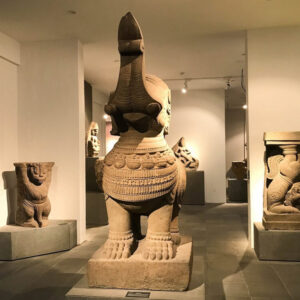
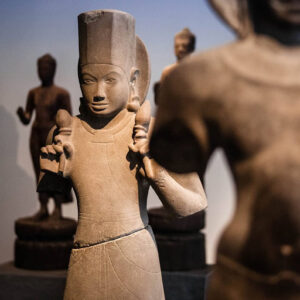
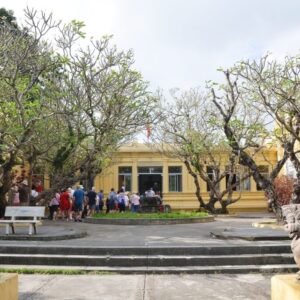
6. Cham museum:houses the world’s largest collection of Cham sculptures and artifacts. Built in the early 20th century, the museum showcases the artistic and cultural heritage of the Cham civilization, which flourished in central and southern Vietnam from the 2nd to the 15th centuries. Visitors can explore the museum’s extensive collection of stone sculptures, terracotta pottery, and architectural relics, gaining insights into Cham religious practices, mythology, and daily life. The museum’s architecture, inspired by Cham temples, adds to the immersive experience, making it a significant cultural and historical attraction in Da Nang.
7. Back to hotel
8. Relax and swim at hotel’s beach
9. Have dinner at 6:30 pm
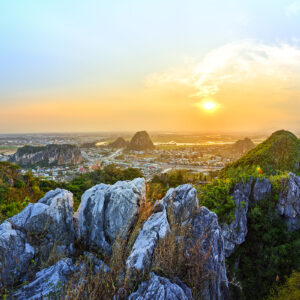
1. Marble mountain
2. Transfer to Hoi An
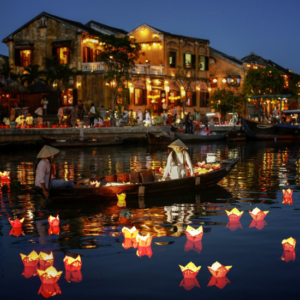
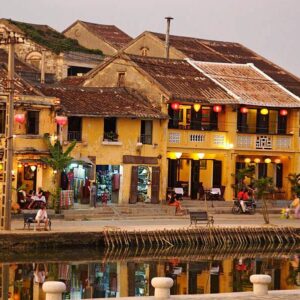
3. Visit Hoi an ancient town, includes:
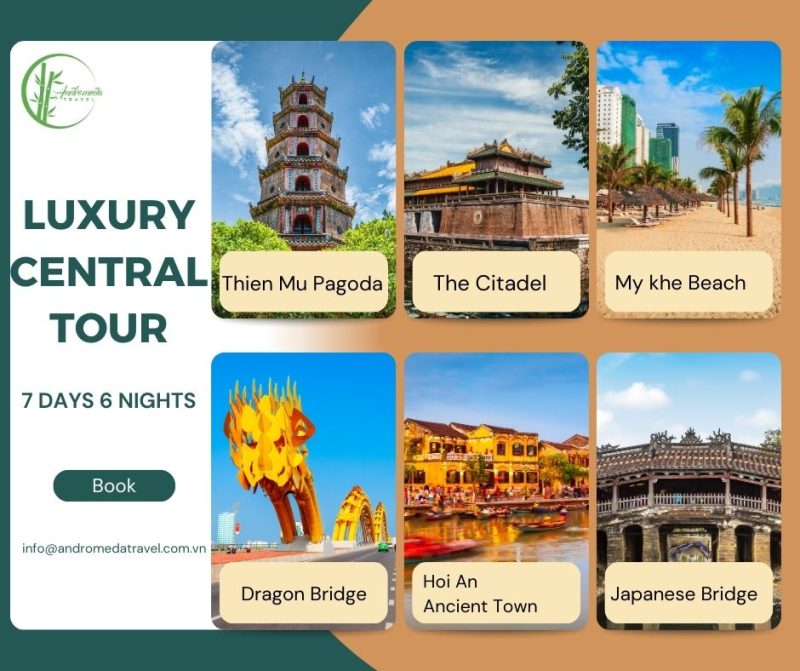
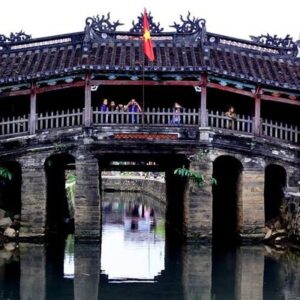
4. Japanese bridge: The Japanese Covered Bridge in Hoi An is a symbol of the city’s rich cultural heritage. Dating back to the 18th century, this iconic bridge features a unique architectural style blending Japanese and Vietnamese influences. Admire its intricate wooden structure, ornate carvings, and a small temple inside. Explore the nearby streets filled with shops and cafes. Respectful behavior is encouraged; photography is allowed. Enjoy the historical ambiance and learn about its role in connecting different communities in Hoi An. Check for visiting hours and entry fees before your visit.
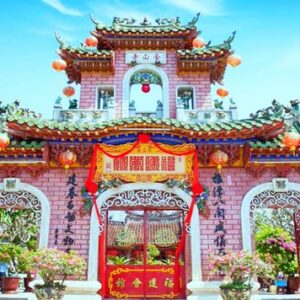
5. Phuoc Kien Chinese hall: is a historic Chinese temple dedicated to the deity Thien Hau, the goddess of the sea and protector of sailors. Built in the late 17th century by Fujian immigrants, the assembly hall reflects traditional Chinese architecture with ornate wood carvings, intricate sculptures, and colorful ceramic mosaics. Visitors can explore its various halls, courtyards, and altars adorned with statues of mythical creatures and historical figures. The assembly hall serves as a cultural and religious center for the local Fujian community, hosting ceremonies, festivals, and cultural performances. It offers a glimpse into Hoi An’s multicultural heritage and the influence of Chinese settlers in shaping the city’s history and traditions.
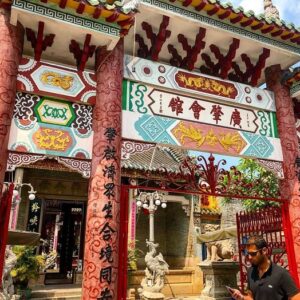
6. Cantonese assembly hall: is a historic Chinese temple built by the Cantonese community in the late 18th century. It serves as a cultural and religious center dedicated to worshiping the deity Quan Cong, revered for loyalty, justice, and scholarship. The assembly hall features intricate architecture, including ornate wood carvings, elaborate sculptures, and vibrant decorations depicting scenes from Chinese mythology and folklore. Visitors can explore its halls, courtyards, and ceremonial spaces, gaining insights into Cantonese culture and religious practices. The assembly hall also hosts traditional rituals, festivals, and community gatherings, preserving the cultural heritage of the Cantonese people in Hoi An’s vibrant historical landscape.
7. Tan Ky old house: is a well-preserved 18th-century merchant’s residence located in Hoi An, Vietnam. This architectural gem exemplifies the blend of Vietnamese, Japanese, and Chinese influences characteristic of traditional Hoi An houses. Visitors can explore its wooden interiors adorned with intricate carvings, antique furniture, and artifacts reflecting the town’s trading history. The house’s design includes a central courtyard with a reflecting pool, designed to mitigate flood damage—a testament to local craftsmanship and resilience. Guided tours offer insights into the house’s history and the daily life of its former occupants, showcasing Hoi An’s cultural and architectural heritage. Tan Ky Old House stands as a living testament to the town’s prosperous trading past and the diverse cultural influences that shaped its unique architectural style.
8. Check in hotel
9. Explore night market of Hoi an
1. Hoi an natural tour
2. Start at 9 am
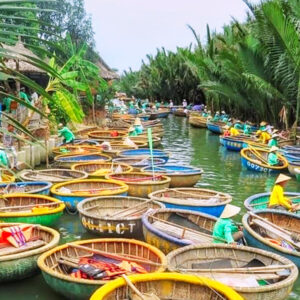
3. Visit coconut village: is a charming rural area known for its serene landscapes and traditional way of life. Visitors can explore lush coconut groves, where locals cultivate coconuts and other tropical fruits. Take a leisurely boat ride along the coconut-lined waterways, offering peaceful views of rural Vietnam. Experience hands-on activities such as coconut candy making and basket boat rides, immersing yourself in the local culture and craftsmanship. Coconut Village offers a tranquil escape from the bustling city, allowing visitors to appreciate the natural beauty and rural traditions of Vietnam’s countryside.
4. Have fun with boat dance
5. Have lunch
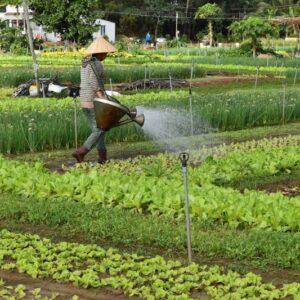
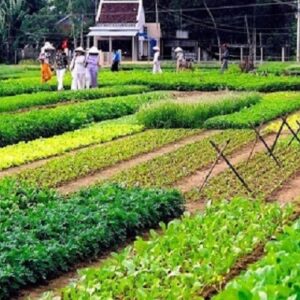
6. Visit organic vegetables farm, enjoy massage and fresh wind
7. Finish at around 4 pm
8. Free time for shopping
9. Relax time
10. Have dinner at a local seafood restaurant
1. Check out at 9:30 am
2. Go to Hue (130 km from Hoi An)
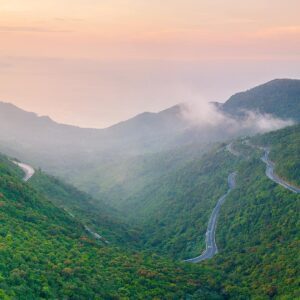
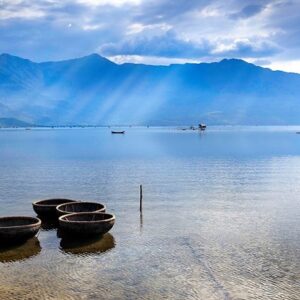
3. On the way, stop at Lap An lagoon: is a tranquil coastal wetland known for its scenic beauty and biodiversity. Surrounded by picturesque mountains, it offers opportunities for birdwatching, seafood dining, and peaceful boat rides. Explore this hidden gem for stunning landscapes and a peaceful retreat away from bustling city life.
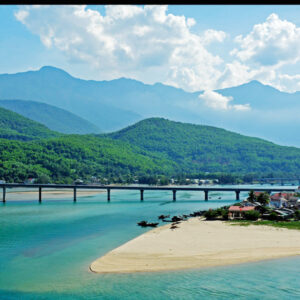
4. Lang Co beach (do you want to swim here?): is renowned for its pristine white sands and crystal-clear waters. Nestled against lush mountains, it offers a serene escape with opportunities for swimming, sunbathing, and enjoying fresh seafood. Ideal for relaxation and scenic coastal views in central Vietnam.
5. Have lunch in Hue
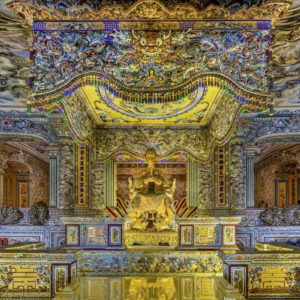
6. Visit Khai Dinh’s tomb: Khai Dinh King’s Tomb is a striking fusion of Eastern and Western architectural styles. Built in the early 20th century, it reflects the opulent taste of Emperor Khai Dinh. Explore its intricate mosaics, dragon sculptures, and panoramic views of the countryside. A must-visit for history enthusiasts and architecture admirers alike.
7. Visit tomb of King Minh Mang: he Tomb of King Minh Mang is a masterpiece of imperial architecture and tranquil garden design. Constructed in the 19th century, it blends traditional Vietnamese and Confucian elements. Stroll through landscaped gardens, admire ornate pavilions, and learn about the life and legacy of King Minh Mang. A serene cultural excursion in the heart of Hue’s historical treasures.
8. Check in hotel
9. Dinner with royal style
10. Relax and explore life at night at tourist street in Hue
1. Check out at 9:30 am
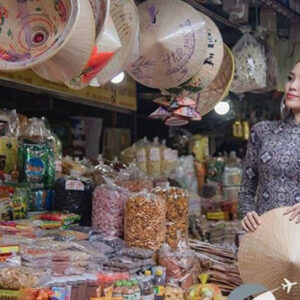
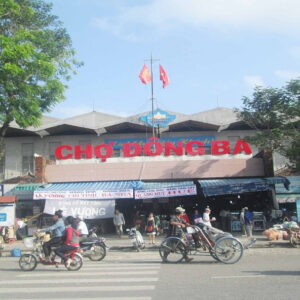
2. Visit Đông Ba market
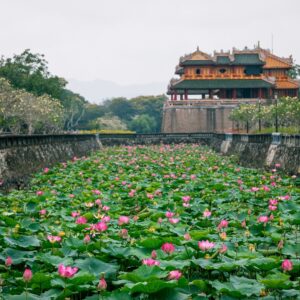
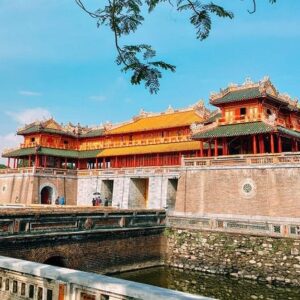
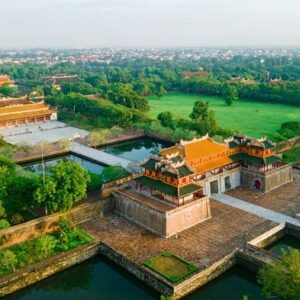
3. Visit the Citadel: built in the early 19th century, served as the imperial capital of the Nguyen Dynasty. It features intricate palaces, temples, and fortified walls surrounded by a moat. The Citadel, a UNESCO World Heritage site, showcases Vietnam’s royal history and architectural splendor amidst serene gardens and historical artifacts.
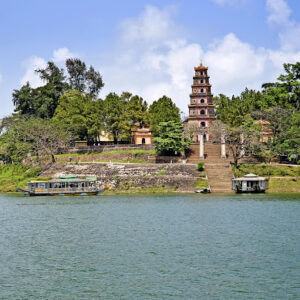
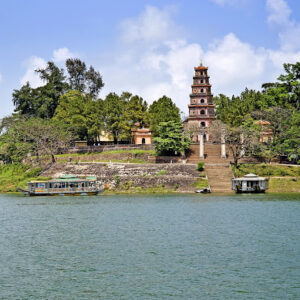
4. Visit Thien Mu pagoda: is a historic Buddhist temple dating back to 1601. Its seven-story tower, Thap Phuoc Duyen, overlooks the Perfume River, offering serene views. The pagoda is a symbol of Hue’s spiritual and architectural heritage, attracting visitors with its peaceful ambiance and cultural significance.
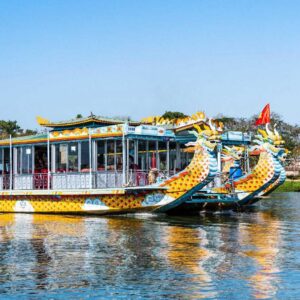
5. Take a boat trip on Perfume river to enjoy the view
6. Have lunch
7. Go to swim in a local beach in the afternoon (optional)
8. Back to hotel
9. Have dinner
1. Check out at 10 am
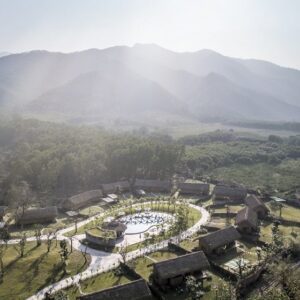
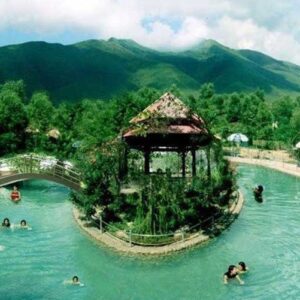
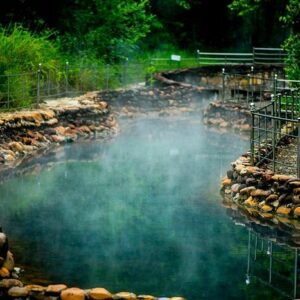
2. Go to Thanh Tan hot spring park (31 km from hotel, around 45 minutes on bus): is renowned for its natural hot springs and scenic surroundings. Visitors can relax in mineral-rich pools, enjoying therapeutic benefits amidst lush greenery. The park also offers adventurous activities like ziplining and water rafting, making it a popular destination for both relaxation and outdoor recreation. Thanh Tan Hot Spring Park provides a tranquil retreat with options for rejuvenation and adventure in a picturesque setting.
3. Swim at natural hot spring (also have cold water and many activities for children or adventure people)
4. Stay 1 night at hotel in the park
5. Have dinner at 6 pm
1. Check out
2. Go to Quang Tri town, visit:
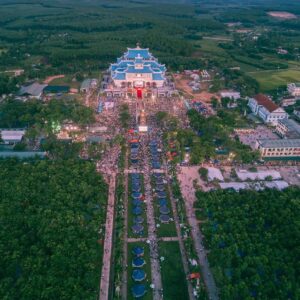
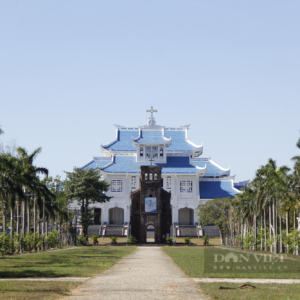
3. La Vang holy land: is a revered Catholic pilgrimage site. It commemorates the Virgin Mary’s apparition to local Catholics in the 18th century. The site features a beautiful church surrounded by gardens and statues, offering a peaceful atmosphere for prayer and reflection. La Vang Holy Land holds cultural and religious significance, attracting pilgrims seeking spiritual solace and blessings in a tranquil setting.
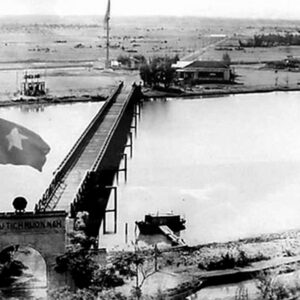
4. Visit the border of the North and South Vietnam during the Vietnam war
5. Have lunch
6. Go to Quang Binh (73 km, ~ 1,5 hour)
7. Have dinner
8. Check in hotel
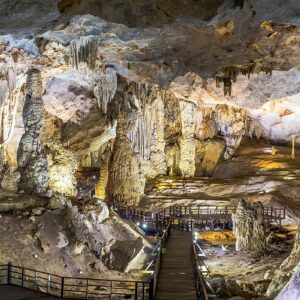
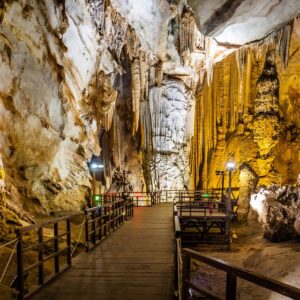
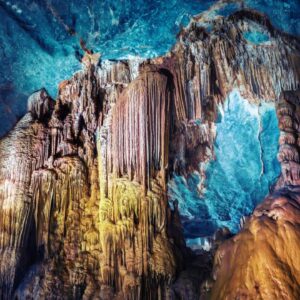
1. Full day tour
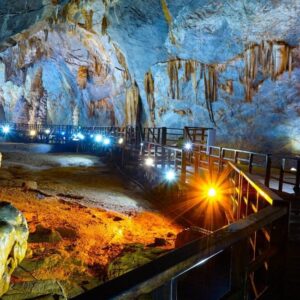
2. Visit Phong Nha cave: Phong Nha Cave, located in Phong Nha-Kẻ Bàng National Park in central Vietnam, is renowned for its natural beauty and archaeological significance. Visitors can explore its vast chambers adorned with stalactites and stalagmites, illuminated by shimmering reflections in the underground river. The cave’s grandeur and geological formations make it a UNESCO World Heritage site. Guided tours offer insights into its history and unique limestone formations, providing an awe-inspiring journey into Vietnam’s natural wonders.
3. Have lunch
4. Visit Paradise cave:
Paradise Cave, or Thien Duong Cave, located in Phong Nha-Ke Bang National Park in Quang Binh Province, Vietnam, is a marvel of natural beauty and geological significance. Discovered in 2005, this limestone karst cave stretches over 31 kilometers and features spectacular stalactites and stalagmites formed over millions of years. Its largest chamber reaches heights of 100 meters, creating a breathtaking underground landscape. Visitors can explore a portion of the cave via a wooden walkway, marveling at its intricate formations illuminated by soft lighting. Paradise Cave is a must-visit destination for nature enthusiasts seeking to witness Vietnam’s extraordinary subterranean wonders.
5. Have dinner
6. Back to hotel
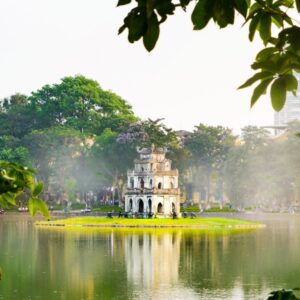
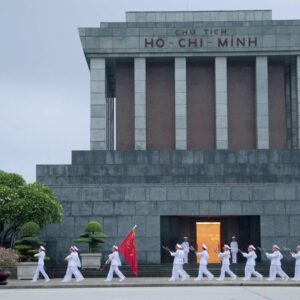
1. Check out
2. Go to airport for flying to Ha Noi
3. Ha Noi city tour full day, visit:
4. HCM mausoleum: houses the embalmed body of Vietnam’s revolutionary leader, Ho Chi Minh. Built in grand Soviet architectural style, it stands as a symbol of respect and reverence for “Uncle Ho.” Visitors can pay respects and learn about his legacy in a solemn and historically significant setting.
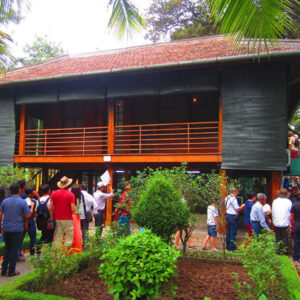
5. stilt house: particularly in areas like Ba Vi and suburban districts, are traditional dwellings elevated on wooden stilts. They’re designed to mitigate flood risks and provide ventilation. Commonly made from bamboo and wood, these houses often feature a raised platform with open sides, allowing air circulation and adaptation to the local climate and environment. Stilt houses in Hanoi embody a blend of practicality, cultural heritage, and traditional architectural styles, offering insights into Vietnam’s rich cultural and architectural diversity.
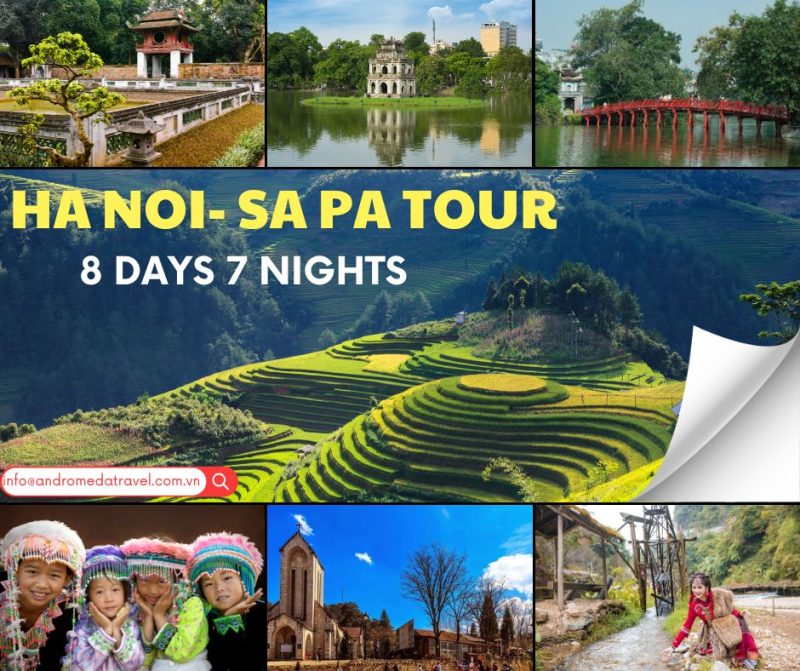
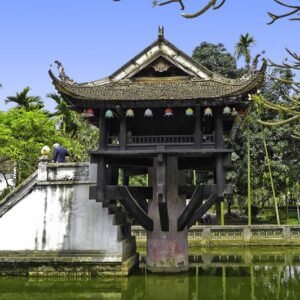
6. One pillar pagoda: is an iconic Buddhist temple known for its unique architecture. Built in 1049 during the Ly Dynasty, it features a single pillar rising from a lotus pond, symbolizing a lotus flower emerging from the water. The pagoda’s design is inspired by a dream of Emperor Ly Thai Tong, seeking blessings for an heir. It remains a significant cultural and spiritual symbol, attracting visitors with its historical charm and serene ambiance.
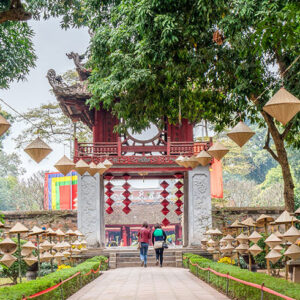
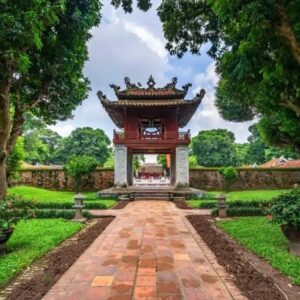
7. The literature temple: The Literature Temple, also known as the Temple of Literature, is a historic site in Hanoi, Vietnam. Established in 1070 during the Ly Dynasty, it served as Vietnam’s first university and is dedicated to Confucius. The temple complex features traditional Vietnamese architecture with pavilions, courtyards, and gardens. It honors scholars and intellectuals, embodying Vietnam’s rich cultural and educational heritage. Today, it remains a popular destination for tourists and locals alike, offering a serene retreat amidst the bustling city, reflecting the importance of learning and scholarship in Vietnamese history.
8. Museum of ethnology: is dedicated to preserving and showcasing the cultural diversity of Vietnam’s ethnic groups. Established in 1997, it features indoor and outdoor exhibitions displaying artifacts, traditional costumes, tools, and architectural reconstructions. Visitors can explore the museum’s extensive collection, learn about ethnic traditions, and participate in workshops and demonstrations. The museum plays a crucial role in promoting cultural understanding and appreciation, offering insights into Vietnam’s vibrant cultural tapestry and the lifestyles of its diverse ethnic communities.
9. Check in hotel

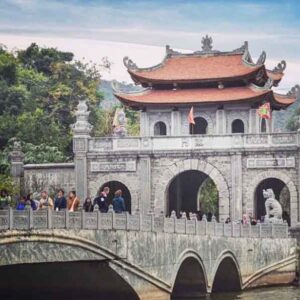
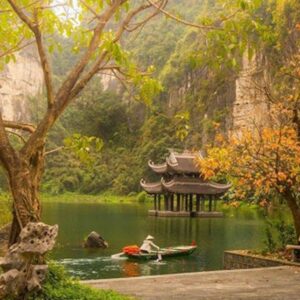
1. Full day tour
2. Visit Trang An, Bai Dinh in Ninh Binh: Trang An Scenic Landscape Complex in Ninh Binh, Vietnam, is renowned for its spectacular karst landscapes and rich biodiversity. A UNESCO World Heritage site since 2014, it features limestone mountains, valleys, and caves. Visitors can explore the complex on traditional wooden boats, gliding through winding rivers and passing ancient temples and pagodas nestled amidst lush greenery. Trang An offers a serene and picturesque setting, perfect for exploring natural beauty and cultural heritage in Vietnam’s northern region.
Bai Dinh Pagoda in Ninh Binh, Vietnam, is one of the largest Buddhist pagodas in Southeast Asia. It comprises both ancient and newly constructed structures, including a massive bronze Buddha statue and ornate temple halls. Surrounded by scenic limestone mountains and vast courtyards, it offers visitors a serene atmosphere for spiritual reflection and exploration of Vietnam’s religious heritage.
3. Visit site of King Dinh & Le:
Both King Dinh Tien Hoang and King Le Dai Hanh played crucial roles in shaping Vietnamese history during the 10th century, contributing to the consolidation of Vietnam as a unified and independent nation-state.
4. Have lunch
5. Visit Hang Mua: is famous for its panoramic views and adventurous hiking trail. The highlight is reaching the summit where visitors can see stunning vistas of Tam Coc and Ninh Binh’s karst landscape. The site also features a dragon statue and a challenging 500-step climb leading to the top viewpoint, making it a popular destination for outdoor enthusiasts and photographers.
6. Back to hotel
7. Have dinner
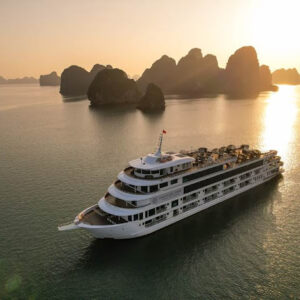

1. Check out
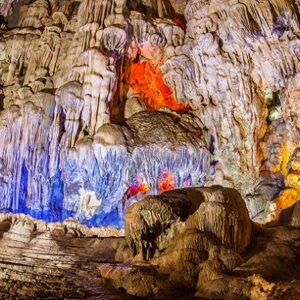
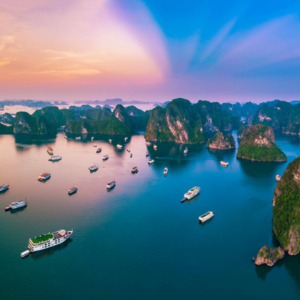
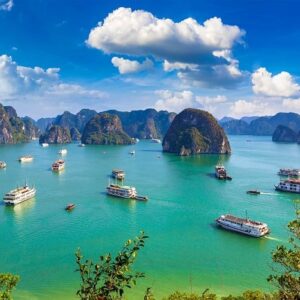
2. Go to Ha Long Bay: Ha Long Bay, located in northeastern Vietnam, is a UNESCO World Heritage site known for its stunning natural beauty and iconic limestone karsts. Explore the bay’s emerald waters aboard a traditional junk boat, passing by thousands of limestone islands and islets topped with lush greenery. Visitors can kayak through hidden caves, swim in secluded lagoons, and visit floating fishing villages. The bay’s mystical ambiance, shaped by centuries of natural erosion, offers a unique blend of adventure and tranquility. Ha Long Bay is a must-visit destination for those seeking to experience Vietnam’s picturesque landscapes and rich maritime heritage.
3. Explore the bay
4. Spend 1 night in a nice cruise on the bay
1. In the morning, do exercise with Tai Chi
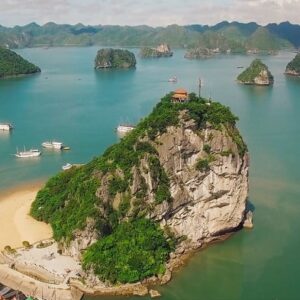
2. Visit Titop island (can swim or do hiking there): Titop Island is a popular destination in Ha Long Bay, Vietnam, known for its pristine beaches and panoramic views. Named after a Russian astronaut who visited Ha Long Bay, it offers activities such as swimming, sunbathing, and hiking up to the island’s viewpoint for breathtaking vistas of the bay. Visitors can also enjoy water sports and explore nearby caves, making Titop Island a must-visit for those seeking relaxation and adventure amidst Ha Long Bay’s stunning scenery.
3. Enjoy other activities as in the file attached
4. Back to Ha Noi
5. Have dinner
6. Take a train/ bus to Sapa at night time
7. Spend 1 night on a train/ bus
1. Arrive in Sapa at around 4 – 5 am
2. Have breakfast
3. Relax for coffee
4. Visit Ham Rong Mountain:
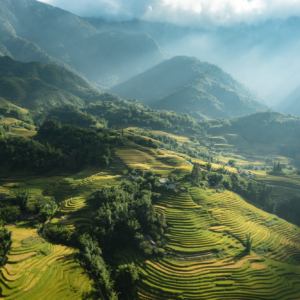
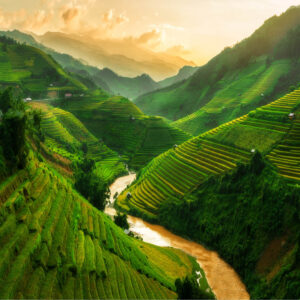
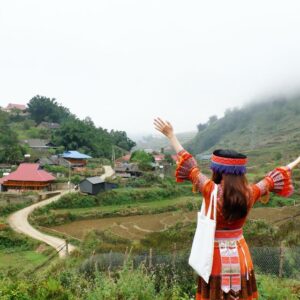
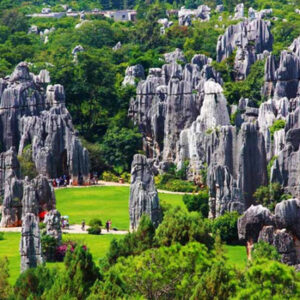
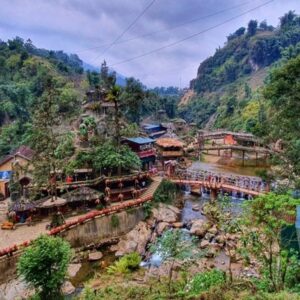
5. Visit Cat Cat village: is a cultural village near Sapa, Vietnam, inhabited by the H’mong ethnic minority. Visitors can experience traditional H’mong culture, including authentic stilt houses, handcrafted textiles, and daily activities like farming and weaving. Explore scenic terraced rice fields and waterfalls, and engage with locals to learn about their customs and traditions. Cat Cat Village offers a glimpse into rural Vietnamese life and is a popular destination for trekking enthusiasts and cultural immersion.
6. Have lunch
7. Check in hotel
8. Relax time
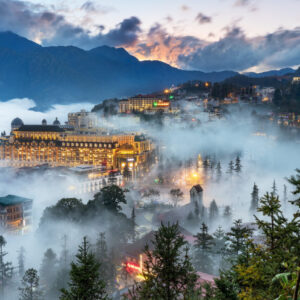
9. Explore Sapa center by yourselves
10. Have dinner at 6 pm


1. Full day tour
2. Start at 9 am
3. Take a cable car to visit Fansipan peak – the roof of Indochina (3,147 m from sea level):
4. Have buffet lunch
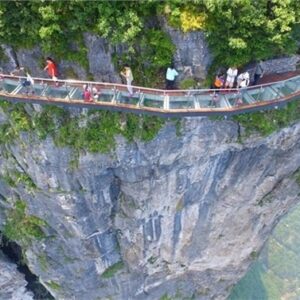
5. Visit Glass bottom bridge (optional)
6. Go to O Quy Ho pass to see marvelous mountain view: is one of the most scenic mountain passes in the country. It stretches along National Highway 4D, connecting Lai Chau Province with Lao Cai Province. The pass offers breathtaking views of towering mountains, lush forests, and deep valleys. Travelers often stop at viewpoints along the route to admire the panoramic vistas and take photographs. O Quy Ho Pass is renowned for its winding roads and misty landscapes, making it a popular destination for both adventure seekers and nature enthusiasts visiting northern Vietnam.
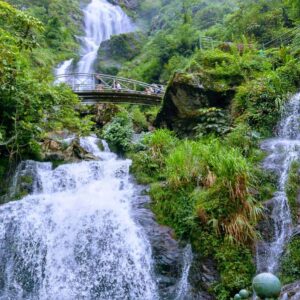
7. Visit Silver waterfall: is a majestic natural wonder cascading down rugged mountains amidst lush greenery. Visitors can admire its shimmering cascades and picturesque surroundings, ideal for photography and nature walks. The waterfall offers a refreshing retreat, especially during the rainy season when it reaches its peak flow. Accessible via a short hike from the main road, it’s a serene escape into Vietnam’s scenic highlands, perfect for those seeking tranquility and natural beauty.
8. Visit Love waterfall: is a mesmerizing natural attraction renowned for its romantic setting and stunning cascades. Nestled amidst lush forests and terraced rice fields, the waterfall cascades down from a height, creating a serene and picturesque landscape. Visitors can hike through scenic trails to reach the waterfall, enjoying panoramic views along the way. The tranquil ambiance and pristine beauty make Love Waterfall a popular destination for nature lovers and photographers seeking to capture the essence of Vietnam’s breathtaking landscapes.
9. Back to hotel
10. Have dinner at 6 pm
1. Free day
2. Enjoy your hotel
3. Breakfast is at hotel
4. Lunch and dinner are by your own
1. Check out at 11: 30
2. Have lunch
3. Take a bus back to Ha Noi at 2 pm
4. Arrive in Ha noi at around 8 pm
5. Spend 1 more night in Ha Noi
6. Explore Ha Noi at night by yourself
7. You can enjoy egg coffee or salty coffee in HN (very nice)
*Images from the Internet*
1. Free time in the morning
2. Check out at 11:30 am
3. Go to airport of Hanoi
4. Take a flight to HCMC
5. Have lunch
6. Relax time
7. Have dinner
8. Transfer to airport at 8 pm for home
Thank you for trusting Andromeda Travel. Have a good flight home!
All accommodation:
Transportation:
Food: