Tour starts at 9 am
You will be picked up at your hotel and dropped here as the first starting point of the tour. Our guide will tell you general information of what we’re going to experience during the trip. From here, you will walk to explore the next 5 nearby sites. Then we will use our vehicles to keep bringing you to explore other places as followed in the itinerary.
We will spend around 15 – 20 minutes to walk through this place
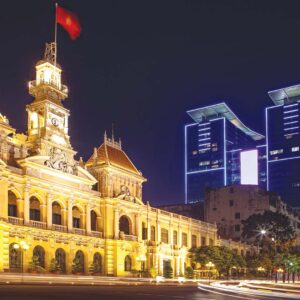
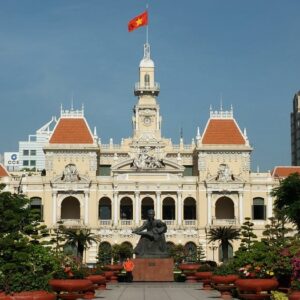
The People’s Committee Building in Ho Chi Minh City is a famous example of French colonial architecture. It was built in the early 20th century and has typical French features like columns and detailed decorations. Originally called the Hôtel de Ville, it was a government office during the time when Vietnam was under French rule. Today, it still serves as a government building for the city.
Visitors can see its beautiful old design and learn about its history during French times and after Vietnam became independent. It’s located in a central part of Ho Chi Minh City, so it’s easy to visit and see other nearby places like Notre-Dame Cathedral Basilica of Saigon and the Central Post Office. Visiting the People’s Committee Building is a great way to understand both the city’s history and its government today.
We’ll spend 15 minutes here for some hidden stories on Vietnam society
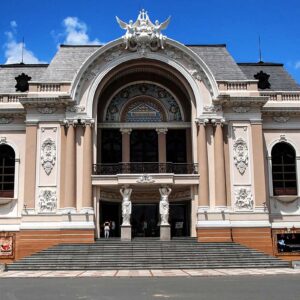
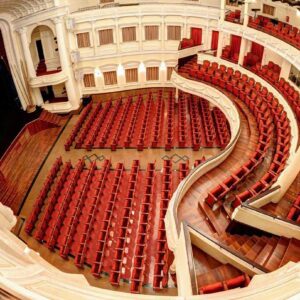
When visiting the Saigon Opera House, explore its stunning French Colonial architecture, catch a traditional Vietnamese opera or ballet performance, take a guided tour to learn about its history, and enjoy nearby cafes and shops in the vibrant District 1 of Ho Chi Minh City. It’s a cultural gem worth experiencing!
Please kindly note that we really want to show you its interior design but it’s open only 30′ before its shows arranged in the afternoon.
We’ll spend around 15 – 20 minutes here
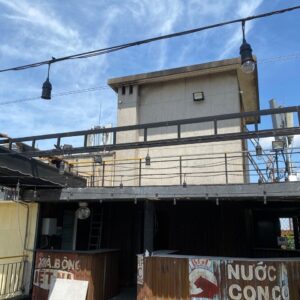
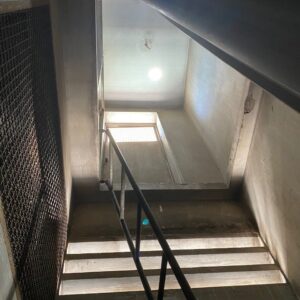
The Catinat Building, located in Saigon (Ho Chi Minh City), Vietnam, gained historical prominence as the site of the last helicopter evacuation of American personnel during the fall of Saigon on April 30, 1975. As North Vietnamese forces closed in on the city, the rooftop of the Catinat Building became a critical evacuation point for American diplomats, military personnel, and Vietnamese associates who were airlifted to safety aboard helicopters. This evacuation, known as Operation Frequent Wind, marked the symbolic end of the Vietnam War and the withdrawal of U.S. presence from Vietnam.
The Catinat Building’s role in this historic event is significant as it encapsulates the chaotic and dramatic conclusion of the war. The sight of helicopters landing and taking off from the building’s rooftop, carrying evacuees amidst the backdrop of advancing North Vietnamese troops, became an enduring image that symbolizes the tumultuous end of the conflict.
Today, while the Catinat Building continues to serve as a commercial and office space in the bustling city center, its historical significance is remembered and acknowledged. Visiting the Catinat Building offers visitors a tangible connection to this pivotal moment in Vietnamese history, providing a reflective opportunity on the impact of the Vietnam War and its lasting legacy on the country and its people.
This is a great place to have pictures and explore some stories on Vietnam War’s last day.
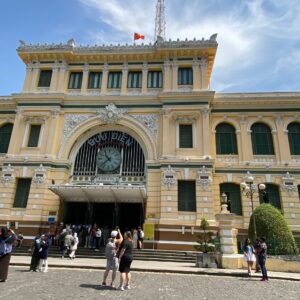
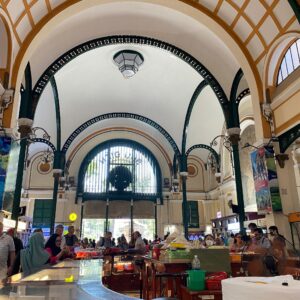
When you visit the Central Post Office in Ho Chi Minh City, Vietnam, you’ll encounter a beautiful example of French colonial architecture. Designed by Gustave Eiffel, who also designed the Eiffel Tower, the building features a grand hall with a high ceiling, ornate ironwork, and old maps on the walls showing Saigon from long ago.
It’s not just a historic building; it’s still a working post office today. You can see how people use it for sending letters and packages, which gives you a glimpse into daily life in the city.
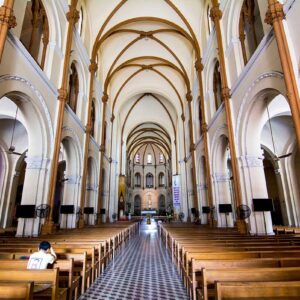
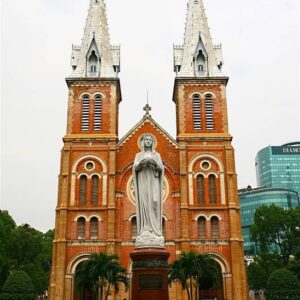
When visiting Saigon Notre Dame Cathedral in Ho Chi Minh City, Vietnam, you can delve into several facets of its history and significance. Built in the late 19th century, the cathedral is a striking example of French colonial architecture, characterized by its twin bell towers and red-brick façade. Inside, intricate stained glass windows and religious artworks offer insights into Catholicism’s role in Vietnamese culture. The cathedral’s construction with materials imported from France underscores its historical ties to the colonial period.
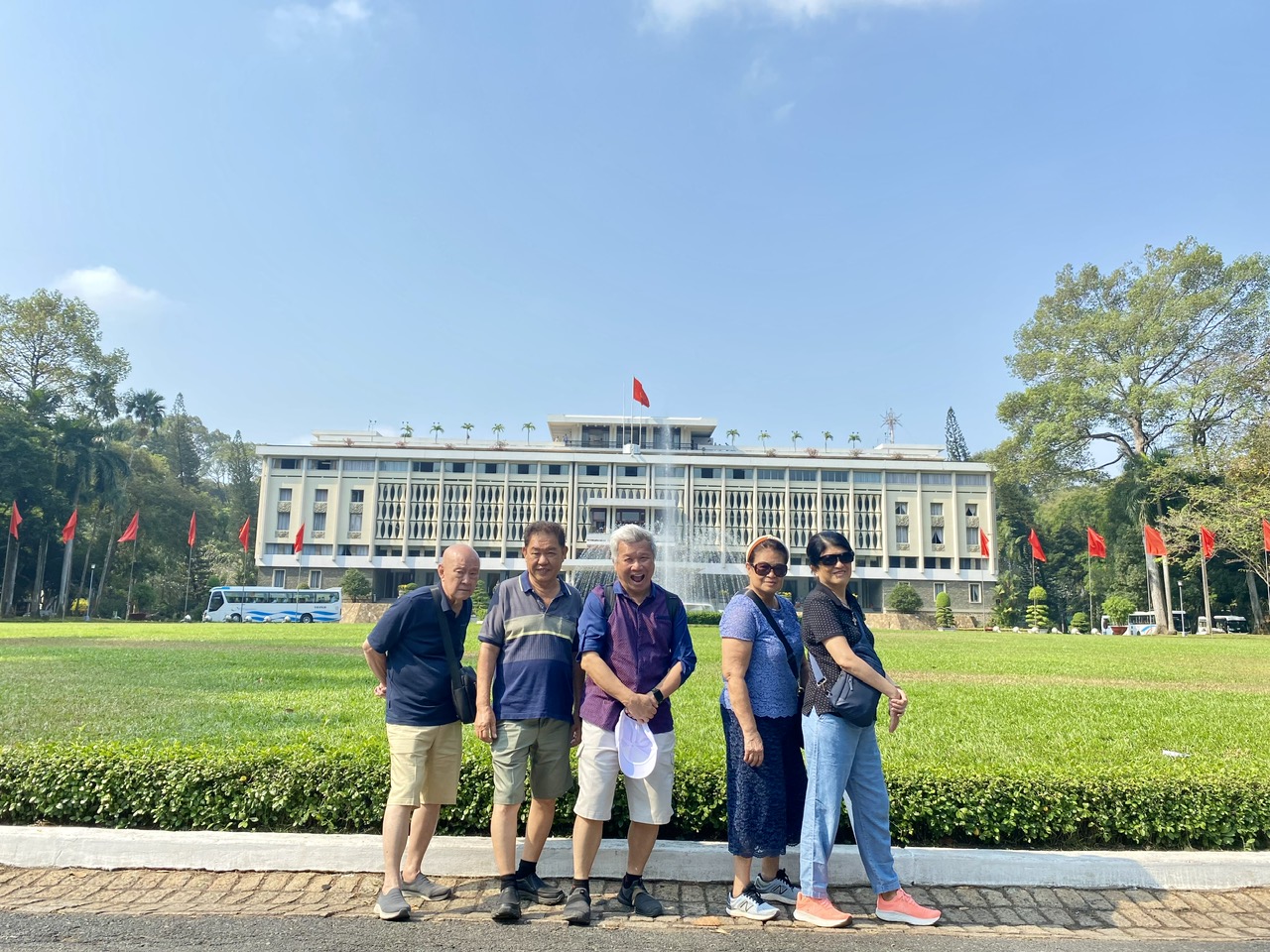
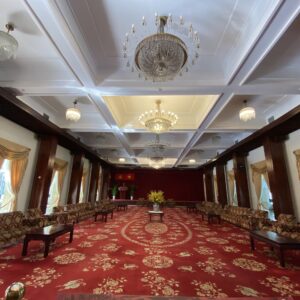
Visiting the Independence Palace in Ho Chi Minh City gives you a close look at Vietnam’s past. Originally called Norodom Palace under French time, it later became the center of South Vietnam’s government. In 1975, at the moments when the Vietnam War’s end, a North Vietnamese tank broke through its gates, marking the country’s reunification.
Inside, you can see well-preserved rooms that show the palace’s grand design and how past leaders lived. Exhibits explain the key events that led to Vietnam gaining independence and how the palace became a museum.
The Independence Palace is an important place to explore Vietnam’s history and its journey to becoming a unified nation.
We have lots of things to share with you about this site &relevant. This is a highlight of the trip. And you will gain a lot about which you cannot within one day.
We spend around 2 hours here.
Please kindly note that our guides are always willing to satisfy all of your questions about the historical building and learn from you, so just go ahead to share your view with us. Thank you.
Please tell us if you have any special diet requests.
Enjoy your break lunch time.
No need to rush.
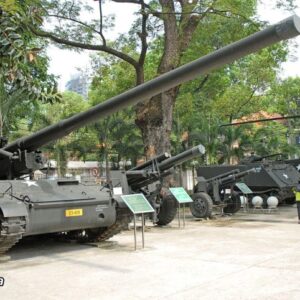
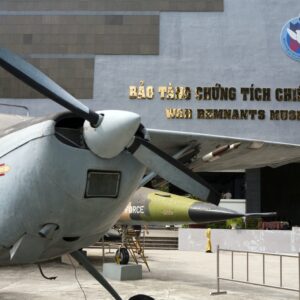
When you visit the War Remnants Museum in Ho Chi Minh City, Vietnam, you’ll explore a poignant collection documenting the Vietnam War and its aftermath. Inside, exhibits display photographs, artifacts, and documents that provide a comprehensive view of the conflict from the Vietnamese perspective. Outside, you can see military vehicles and equipment used during the war. The museum also offers documentary films and photography exhibitions that deepen your understanding of the war’s impact and historical context. It serves as an important educational resource, fostering reflection on the human cost of war and efforts towards reconciliation.
We’ll spend around 30 – 45 minutes here
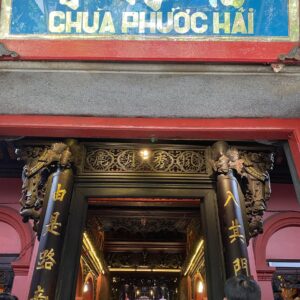
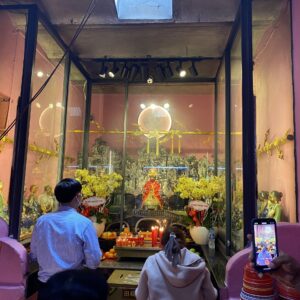
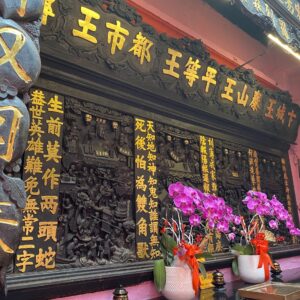
When you visit Jade Emperor Pagoda, Vietnam, you’ll discover a beautifully adorned temple blending Vietnamese and Chinese architectural styles. Marvel at its intricate decorations, statues of deities, and colorful motifs that reflect centuries-old traditions of the local Chinese-Vietnamese community. Inside, explore stunning artwork, Buddhist sculptures, and detailed carvings depicting spiritual stories. Enjoy the peaceful atmosphere for quiet reflection or meditation amid the bustling city.
We’ll spend around 30 minutes here.
You will be dropped at your accommodation at around 4: 30 pm
Thank you for travelling with us.